
By Elisabeth Karma
In our home and place of livelihood—Saribi Village, Orkeri District, Biak Numfor Regency, Papua—the practice of shifting cultivation is a common tradition. Some parties accuse this practice of being harmful and destructive to the environment. In reality, shifting cultivation has been carried out for generations, passed down from one to the next. It is, in fact, an example of local wisdom—a form of respect for nature’s generosity toward all living beings, including us humans.
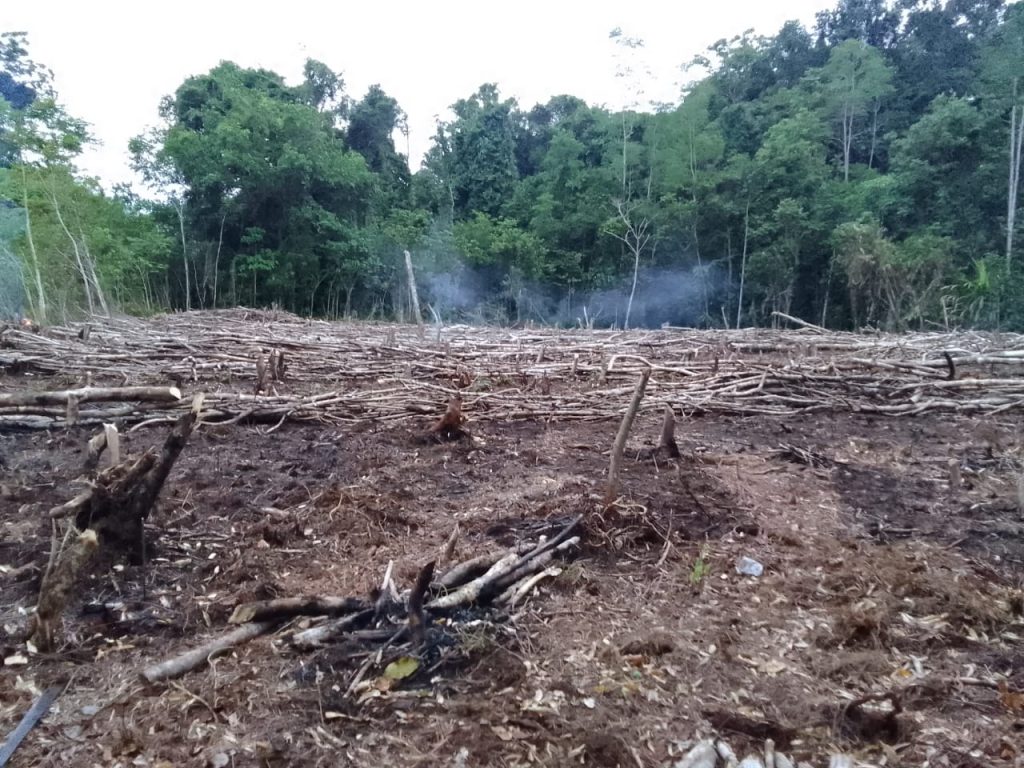
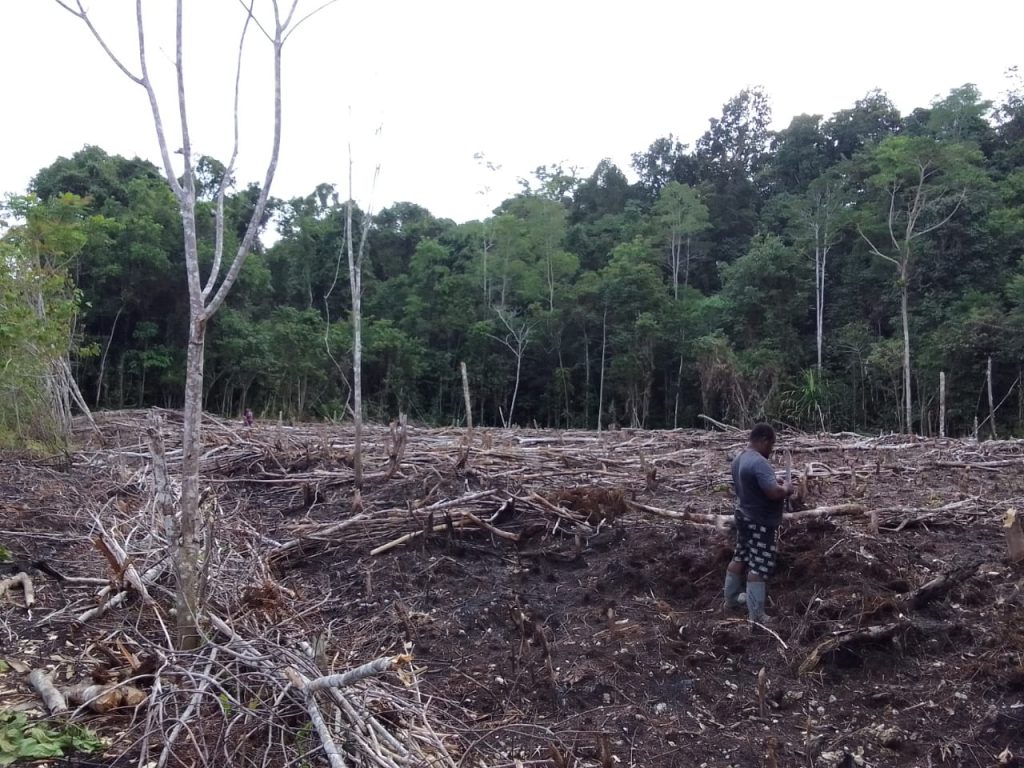
Allow us to explain the stages.
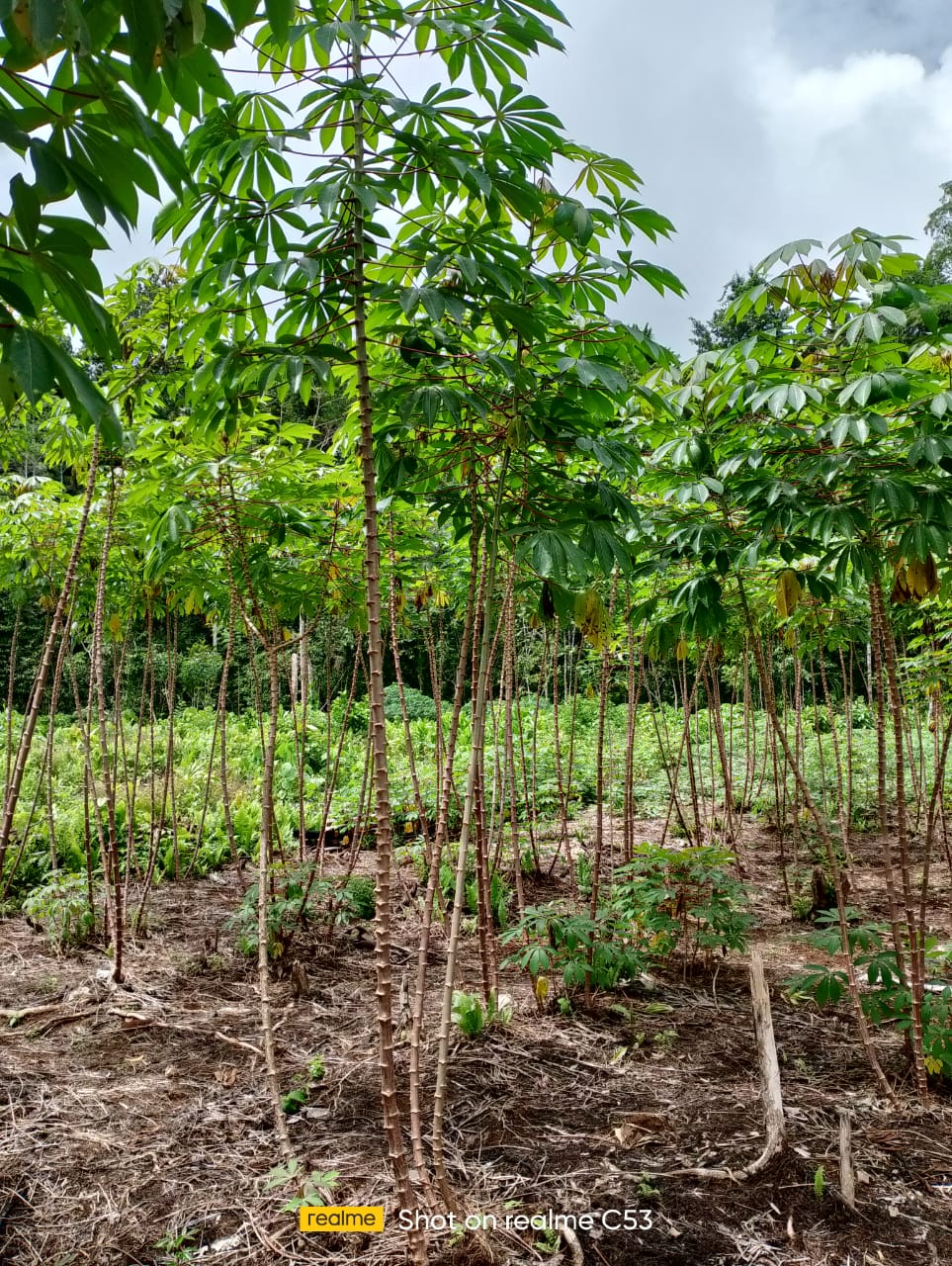
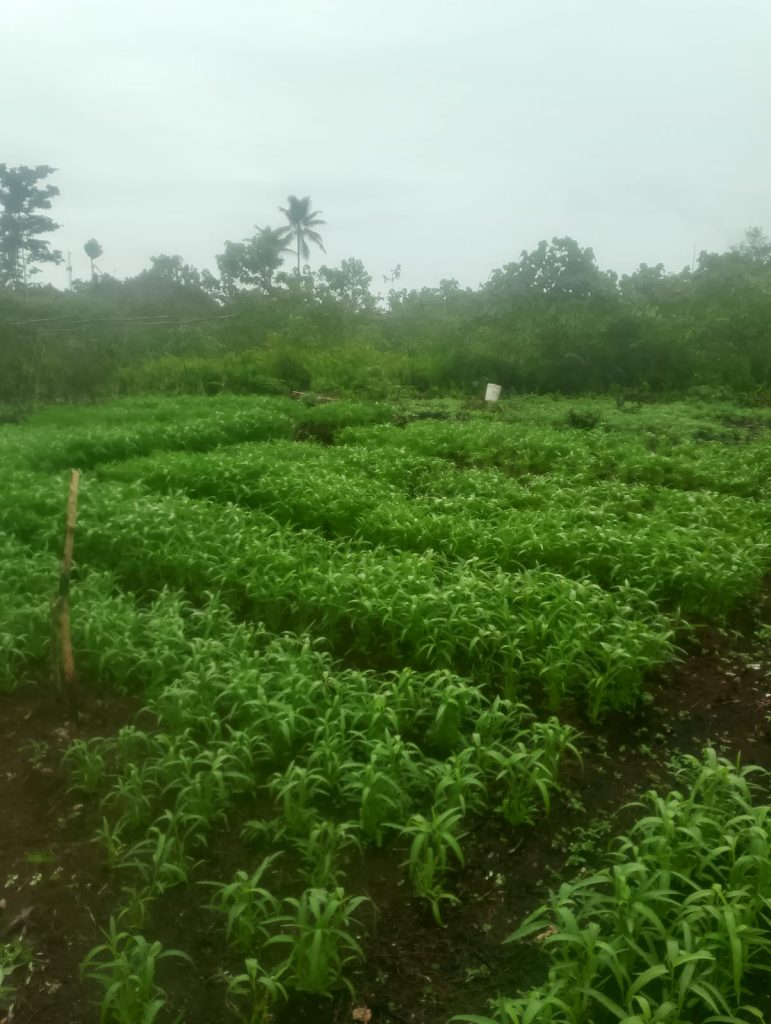
The process of opening agricultural land begins with cutting down trees and burning undergrowth. In principle, this burning helps to increase soil fertility. We then plant various crops on the land, such as mung beans, tubers, and vegetables. Once we have harvested the produce, we move on to another plot to carry out the same process. In our language, the land left behind after harvest is called yapur (meaning: former garden).
Yapur is left fallow for two years or more. During this time, vegetation naturally grows back. This natural regrowth process enables the soil to recover and rejuvenate. Afterwards, the slash-and-burn process is carried out again to begin a new planting cycle.

Contact us
Yayasan Pengembangan Pelatihan untuk Perubahan Sosial di Tanah Papua
(YP3SP)
Jalan Karya Tanah Hitam Permai
Abepura Jayapura
Papua
 ID
ID